
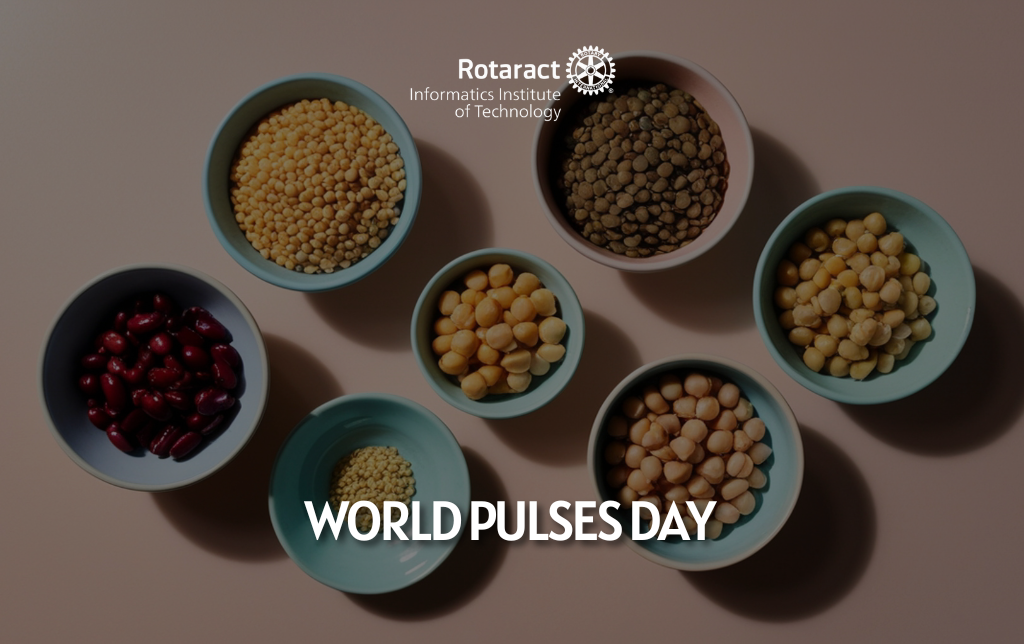
World Pulses Day: Small Seeds, Big Impact
International Days
Every February 10th the world celebrates pulses — the edible seeds of legumes such as lentils, chickpeas, beans, peas and pigeon peas. This United Nations designated day highlights how these humble crops support food security, human health, soil fertility and climate resilience. Pulses are truly one of the most powerful, affordable and sustainable foods on the planet.
Pulses are nutritional powerhouses. They are rich in plant-based protein, high in fibre, packed with important minerals (iron, zinc, magnesium, potassium) and contain very little fat. Regular consumption helps manage blood sugar, supports heart health, improves digestion and combats anaemia — especially important for women and children in many parts of the world. Because pulses cost far less than animal protein, they remain a cornerstone of balanced diets for billions of people.
Farmers love pulses because they are natural fertilizers. Through a symbiotic relationship with soil bacteria, pulse crops fix nitrogen from the air into the soil, reducing the need for synthetic fertilizers. This nitrogen stays in the ground and benefits the next crop — usually cereals such as rice, wheat or maize — leading to higher yields without extra cost. Rotating pulses into farming systems improves soil structure, reduces erosion and increases long-term productivity.
In a warming world pulses stand out as climate-smart crops. Most varieties need very little water compared with many other staples. They grow well in semi-arid regions and tolerate heat better than many other field crops. Because they require fewer inputs and emit lower greenhouse gases than animal agriculture or nitrogen-fertilizer-dependent crops, pulses help mitigate climate change while helping farmers adapt to changing rainfall patterns.
Despite these advantages global pulse consumption and production have not kept pace with population growth in many regions. February 10th therefore serves as both a celebration and a gentle reminder. Governments, researchers, chefs, schools and families are encouraged to bring more pulses onto plates and into fields. Simple actions make a difference: adding lentils to soups, using chickpea flour in baking, serving bean salads at gatherings, or teaching children how to prepare traditional pulse dishes.
The day also shines a light on women and youth in pulse value chains. In many countries women do most of the planting, weeding, harvesting and cooking of pulses yet they often have limited access to land, credit, improved seeds and markets. Supporting women farmers increases household nutrition, income and resilience. Youth engagement is equally important — innovative pulse-based products, digital market platforms and climate-resilient varieties attract younger farmers to agriculture.
“A healthy outside starts from the inside.”— Robert Urich
This familiar line reminds us that real health begins with what we choose to eat. Pulses offer one of the simplest, most accessible ways to nourish bodies and the planet at the same time.
In 2026 many countries are reporting renewed interest in pulses. School feeding programs increasingly feature dhal, chickpeas or black-eyed peas. Restaurants offer creative pulse-forward dishes — from lentil burgers to chickpea curries reinvented as fine dining. Farmers’ cooperatives receive better seed varieties and training in water-saving techniques. These small shifts, multiplied across millions of households and fields, create meaningful change.
World Pulses Day invites everyone to look at their next meal and ask: could pulses play a bigger role here? Whether it is a simple bowl of rajma, a spicy chana masala, a comforting pea soup or a colourful three-bean salad, every plate of pulses supports health, farmers, soil and the climate. One seed at a time, pulses quietly help feed the future.


