
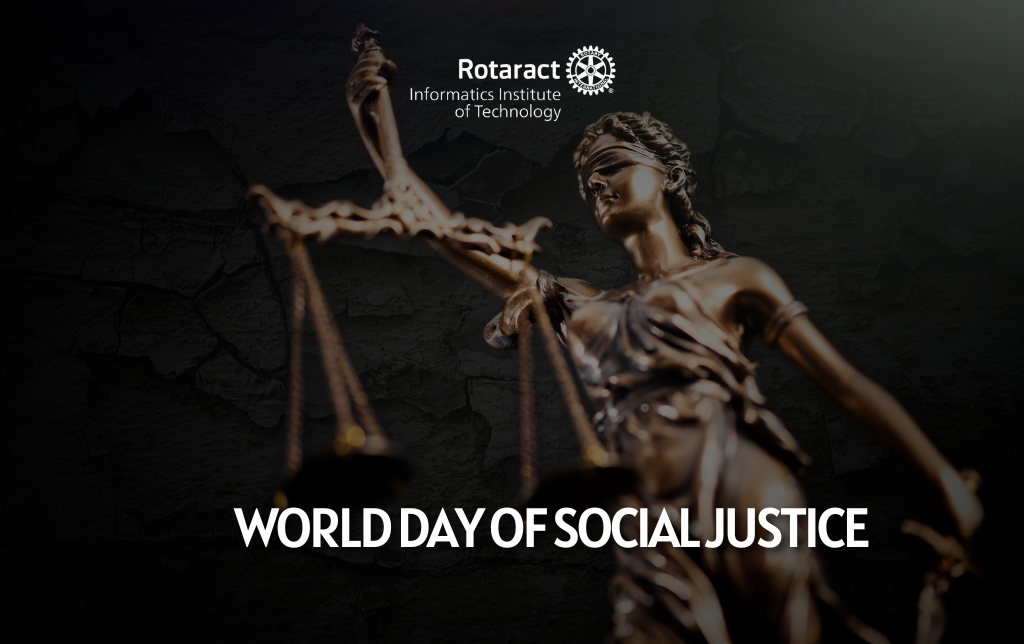
World Day of Social Justice: Bridging Divides
International Days
February 20th is dedicated to social justice — the pursuit of fair and equitable treatment for every person regardless of ethnicity, gender, religion, disability, age, social class or any other status. The day reminds the world that true peace and development are impossible without justice.
Social justice means removing systemic barriers so everyone has equal opportunities to thrive. It demands fair wages, safe working conditions, access to quality education and healthcare, protection from discrimination, and meaningful participation in decisions that affect lives. When these elements are missing, inequality grows, trust erodes and societies become fragile.
In recent years the conversation has expanded to include climate justice, digital inclusion and economic fairness after pandemics and global shocks. Low-income countries and marginalized groups often suffer the worst consequences of crises they did little to cause. Closing these gaps requires deliberate policy choices — progressive taxation, social protection floors, affirmative action, debt relief and technology transfer.
Decent work stands at the center of social justice. Employment that pays a living wage, offers security and respects dignity lifts families out of poverty and gives people pride and purpose. When women, youth, persons with disabilities and migrants enjoy equal access to quality jobs, entire societies become stronger and more innovative.
Education and lifelong learning are powerful equalizers. When girls and boys from every background receive the same quality schooling, and when adults can retrain throughout their lives, talent flourishes regardless of birthplace or family wealth. Bridging the digital divide ensures that online learning and future jobs are within reach for everyone.
Social protection systems — pensions, child benefits, unemployment support, health coverage — act as safety nets that prevent people from falling into despair during hard times. Countries that invest in universal social protection see lower inequality, better health outcomes and greater social cohesion.
“Injustice anywhere is a threat to justice everywhere.”— Martin Luther King Jr.
Dr. King’s famous line remains painfully relevant. One community’s exclusion weakens the whole society. Discrimination, exploitation and neglect in any corner eventually affect security, economy and moral fabric everywhere.
On World Day of Social Justice cities host forums, marches, film screenings and policy dialogues. Trade unions, NGOs, youth groups and governments share best practices. Many organizations launch campaigns focusing on a specific theme — gender justice, racial equity, disability inclusion or economic fairness. The day also recognizes individuals and movements that have advanced justice, from grassroots activists to visionary leaders.
Social justice is not a destination; it is a continuous journey. Progress in one decade can be reversed in the next if vigilance weakens. That is why February 20th calls for renewed commitment year after year.
The day ultimately celebrates human dignity. When every person is treated fairly, societies become more creative, stable and compassionate. World Day of Social Justice invites everyone — citizens, leaders, businesses, educators — to ask: what can I do today to make tomorrow a little fairer? Small acts of fairness multiplied millions of times create the kind of world most people dream of living in.


