
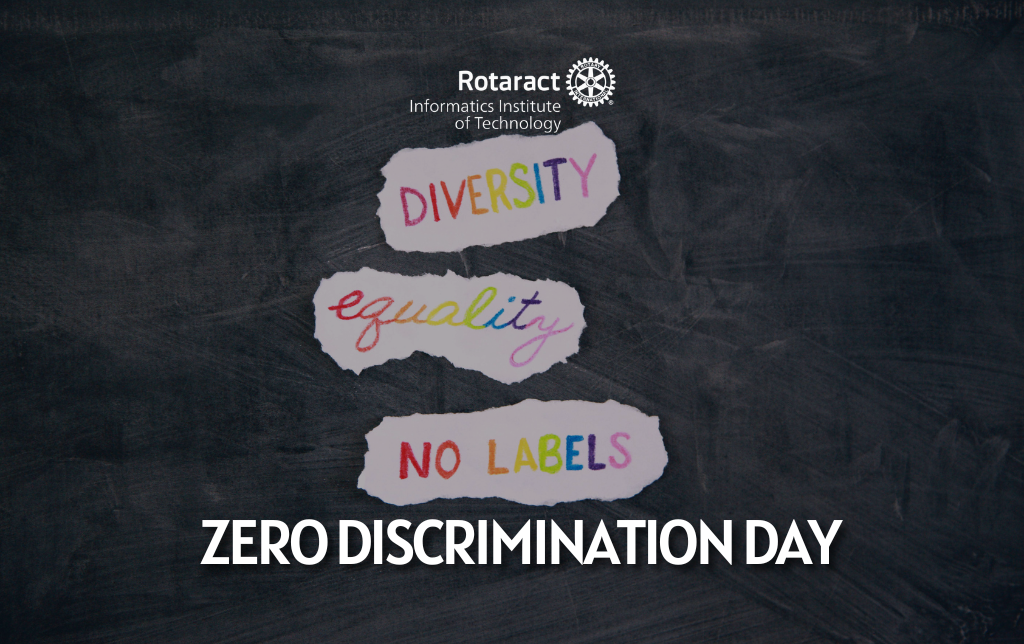
Zero Discrimination Day: Equal Dignity for All
International Days
March 1st is Zero Discrimination Day, launched by UNAIDS in 2014 to promote fairness and inclusion. The day calls for a world where no one faces bias or exclusion because of health status, ethnicity, gender identity, sexual orientation, disability, religion, age, migration status or any other characteristic.
Discrimination blocks access to healthcare, education, employment, housing and justice. It damages mental health, fuels poverty and prevents societies from reaching their full potential. When people fear stigma they avoid testing, treatment or support — especially true for HIV, mental health conditions, leprosy, tuberculosis and other stigmatized illnesses.
The theme changes each year but the core message remains constant: everyone deserves equal respect and opportunity. In recent years campaigns have focused on ending discrimination against people living with HIV, LGBTQ+ communities, persons with disabilities, migrants, indigenous peoples and women. Each focus highlights a specific injustice while reinforcing the universal principle of dignity.
Real change happens through laws, policies and everyday attitudes. Countries that outlaw discrimination, protect equal rights and punish hate crimes create safer environments. Workplaces that embrace diversity see higher creativity and productivity. Schools that teach respect from early childhood raise generations less likely to judge others by appearance or background.
Healthcare settings play a crucial role. When doctors, nurses and staff treat every patient with the same kindness and professionalism, trust grows. Training on unconscious bias and cultural competence helps providers offer better care to diverse populations.
Communities drive progress too. Neighbors who welcome newcomers, friends who stand up against slurs, families who accept their children unconditionally — these small acts create waves of inclusion. Media, influencers and celebrities who speak against prejudice reach millions and shift norms.
“No one is born hating another person because of the color of his skin, or his background, or his religion. People must learn to hate, and if they can learn to hate, they can be taught to love.”— Nelson Mandela
Mandela’s words remain one of the most powerful statements on discrimination. They remind us that prejudice is learned — and therefore can be unlearned through education, exposure and empathy.
On March 1st events range from photo exhibitions showing diverse faces to panel discussions, concerts, flash mobs and social media campaigns using #ZeroDiscrimination. Many organizations share personal stories of overcoming bias or standing up for others. Schools hold assemblies on respect, universities host dialogues and workplaces run inclusion workshops.
The day also recognizes champions of equality — activists, healthcare workers, teachers, parents and young people who challenge discrimination daily. Their courage inspires others to act.
Zero Discrimination Day is both a mirror and a map. It reflects where the world still falls short and charts the path toward fairness. Progress is real: more countries protect LGBTQ+ rights, mental health stigma is decreasing, disability inclusion laws are stronger, and HIV-related discrimination is declining in many places. Yet gaps remain, reminding everyone that the work continues.
The ultimate goal is simple yet profound — a world where every person can walk tall, seek help without fear, love freely and contribute fully. When discrimination ends, societies become healthier, richer in ideas and more peaceful. March 1st invites every individual to begin that transformation in their own circle, one respectful act at a time.


